Choosing the right path to a straighter smile usually means picking between two choices. One can opt for the durability of metal brackets, or one can choose transparent brackets that cannot be easily seen by other people.
Many people looking for orthodontics in Huntington Hills now find they can use both. By mixing these two methods, you can often reach your goals more comfortably.
What is Hybrid Orthodontics?
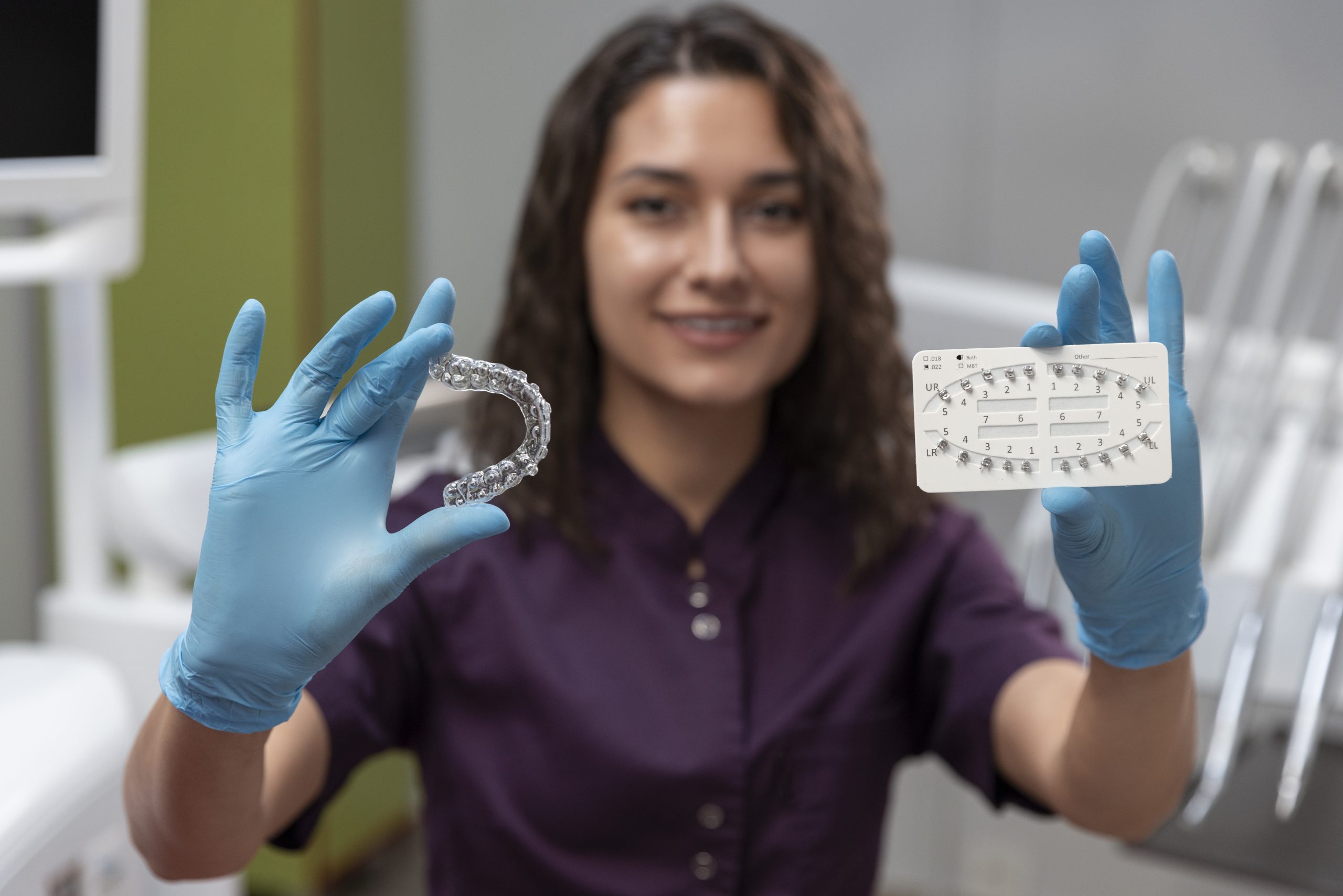
Hybrid orthodontics is a personalized treatment plan where a dental professional uses fixed braces for one part of the process and clear aligners for another. Instead of sticking to a single tool, your provider switches techniques based on what your teeth need at specific stages.
This method is often used when a patient has complex alignment issues that aligners alone might struggle to fix quickly.
Why Choose a Combined Approach?
The main reason people consider this option is the balance between speed and comfort. While clear aligners are popular because they are nearly invisible, they sometimes take longer to correct rotated teeth or severe crowding. Using fixed brackets for a few months can jumpstart the process.
- Precision: Fixed wires provide constant pressure, which is excellent for moving stubborn teeth.
- Aesthetics: You spend less time wearing metal or ceramic brackets since you transition to clear trays for the final stage.
- Customization: Every mouth is unique, and a hybrid plan adapts to your specific bone structure and tooth shape.
The Difference Between Braces and Invisalign
To understand why a hybrid approach works, it helps to look at how braces and Invisalign differ. Traditional braces use metal or ceramic brackets attached to the teeth and connected by a wire. This system allows the dentist to apply steady pressure from different angles, making it very effective for correcting complex movements and closing larger gaps.
Invisalign and other clear aligner brands use removable plastic trays. These are wonderful for tilting teeth into place and offer the convenience of taking them out to eat or brush. However, they rely on the patient wearing them for 22 hours a day. By combining these two, you get the heavy-duty correction of braces followed by the lifestyle benefits of aligners.
Is This Method Right for You?
Not every smile requires two different types of treatment. Most minor gaps or slight crowding can be handled by one method alone; however, if your case involves a “bite” issue—where your top and bottom teeth do not meet correctly—a hybrid plan might save you several months of treatment time.
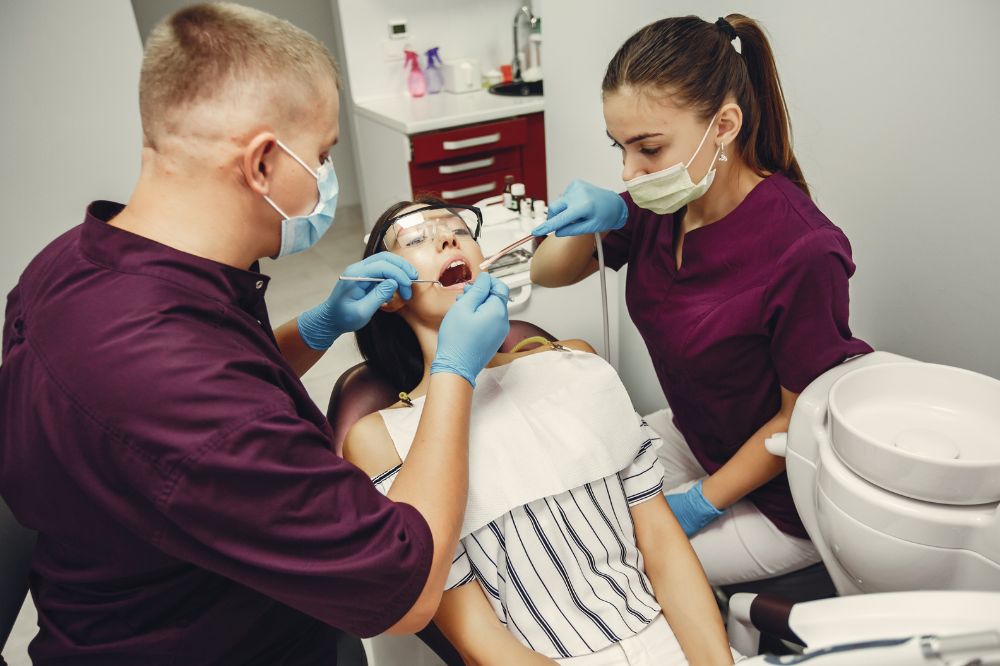
When you visit a dentist near you, they will perform a physical exam and take digital images of your jaw. These images help the clinical team decide if a combination of tools will create a healthier result than using just one. Professional guidance is necessary because moving teeth too quickly or with the wrong pressure can damage the roots.
What to Expect During Treatment
The process usually begins with the “active” phase. During this time, brackets are placed on your teeth to handle the heavy lifting. You will visit the office regularly for adjustments. Once the dentist is satisfied with the foundation of your smile, the brackets are removed.
Next, your teeth are scanned to create custom clear aligners that help make small adjustments. These trays are used to fine-tune your smile and improve results. This step is often easier for patients because it makes brushing and cleaning teeth simpler during the final stage of treatment.
If you are looking for a dentist near Thorncliffe, you will find that many local offices now use these modern methods to make treatment more comfortable.
Life With Hybrid Appliances
Managing your oral health changes slightly as you move through each phase. While wearing brackets, you must avoid sticky or very hard foods that could break the wires. Once you move into the aligner phase, your diet returns to normal, but you must be disciplined about wearing the trays.
No matter what treatment method is used, keeping your gums healthy is always the main focus. Regular cleanings and gentle flossing help make sure that when your treatment is finished, your smile is not only straight but also healthy and free from decay.
Reach Out to TrueSmile Dental
If you are ready to explore options for a healthier, straighter smile, our team is here to help. We guide and support you throughout your treatment process.
Get in touch with us today!
Frequently Asked Questions
Does hybrid treatment hurt more than regular braces?
The level of pressure is very similar to traditional methods. You may feel some tightness when a wire is adjusted or when you start a new set of aligners, but this is a sign that your teeth are moving into their healthy new positions.
How much time can I save with a combined plan?
Every case varies, but some patients find they finish their treatment several months earlier than they would have with aligners alone. Your dentist will provide a specific timeline after your initial consultation.
Will I still need a retainer afterward?
Yes, regardless of the method used to straighten your teeth, a retainer is necessary to keep them from shifting back to their original spots.
Can I choose which teeth get braces and which get aligners?
A dental team decides this based on how your teeth need to move. In some cases, braces may be used on the bottom teeth and aligners on the top, or the other way around, depending on what your teeth need for proper alignment.